
Are Hidden Gem Wineries in Sonoma Valley Worth It?
October 25, 2026 · 9 min read
Last Updated: October 25, 2026
Quick Summary
Hidden gem wineries in Sonoma Valley are worth it because they are small, family-run producers off the main tasting-room circuit that offer quieter, more personal tastings than the big estate rooms. We judge them by low visitor volume, hands-on hosting, a working property, and reservation culture. Book two to six weeks ahead, since boutique rooms hold only a handful of appointments per day.
-
A hidden gem winery keeps visitor numbers low and requires a reservation, a phone call, or a back-road drive.
-
Most boutique rooms release appointment times two to six weeks out and hold only a handful per day.
-
Book the first or last slot of the day, because small properties have thin staffing.
-
Two to three wineries is the sweet spot for a relaxed day, and four is the ceiling for most groups.
-
Group your stops within one band of the valley to protect the best hours of the day.
What Makes a Sonoma Valley Winery a True Hidden Gem
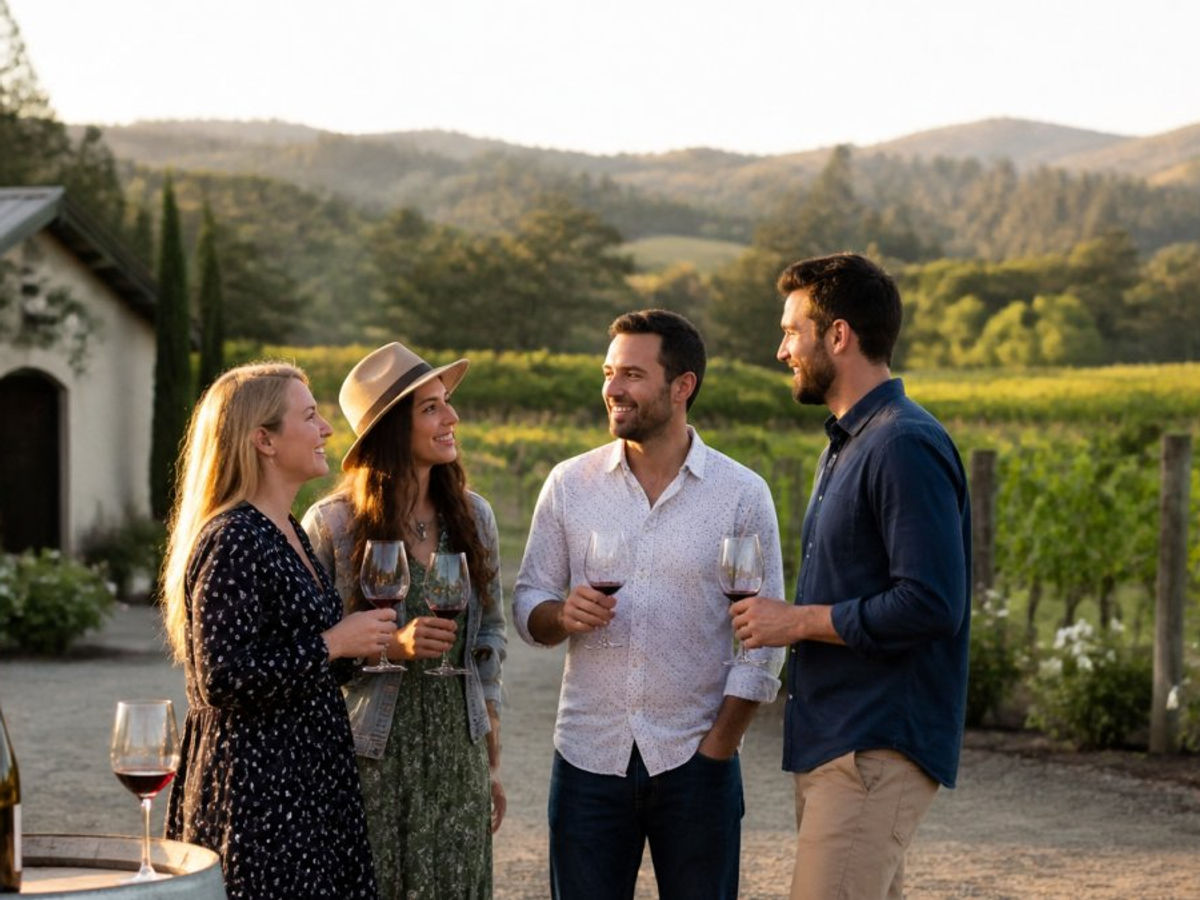
A hidden gem winery is a small, often family-run producer that sits outside the main tasting-room circuit, keeps its visitor numbers low, and offers a quieter, more personal tasting experience than the big estate rooms.
The first is scale. If the parking lot holds three tour buses, it isn't hidden.
Sonoma Valley runs roughly from the town of Sonoma north toward Kenwood and Glen Ellen, with Sonoma Mountain to the west and the Mayacamas range to the east.
The Four Qualities We Look For
-
Low visitor volume: no bus traffic, limited daily appointments
-
Hands-on hosting: the owner, winemaker, or a long-tenured host pours
-
Working property: vines, a cellar, or a cave you can actually see
Judged that way, plenty of celebrated Sonoma Valley wineries don't qualify. The small ones do.
Small Wineries in Sonoma Valley Worth the Detour
The detour is the point. Learn all about wineries and beyond and how our specialists source exceptional, lesser-known vineyards.
What to Expect Inside the Tasting Room
Tasting rooms at this scale run on appointment blocks, and the format is usually a seated flight rather than a standing bar. You'll often taste estate-grown red and white wine alongside a sparkling wine or a library pour the host pulls out if the conversation goes well.
One honest limitation: small properties have thin staffing. If you arrive late, the host may be mid-pour for another group and your visit gets compressed. Book the first or last slot of the day.
Sonoma Valley Winery Reservations: What to Book and When
Sonoma Valley winery reservations are close to mandatory at small properties, and the earlier you book, the better your slot. Most boutique rooms release appointment times two to six weeks out and hold only a handful per day. Walk-in availability exists at larger estates, but the places worth seeking out rarely have room for it.
Private Sips: Napa & Sonoma Insider Tours
Wine Nation
A practical booking order:
-
Lock your two or three must-visit small wineries first, since they have the least flexibility.
-
Build the rest of the day around those confirmed times.
-
Confirm each reservation 48 hours ahead and ask about group size limits.
-
Ask directly about tasting fees when you book, since they vary by property and flight.
What Tasting Fees Actually Look Like
Tasting fees at small Sonoma Valley properties commonly run in the $35 to $75 per person range for a seated flight, with library or reserve pours often pushing toward $90 to $125. Fees are frequently waived or credited with a bottle purchase, but the policy varies by property and is rarely posted clearly online. Ask two questions when you book: what the fee covers, and whether it is credited toward a purchase.
Pro Tip Ask whether the fee includes a cave tour, a library pour, or a food bite. A $60 tasting that includes a cave walk and a cheese plate is often a better value than a $40 tasting that is wine only.
Release Windows and Group Mechanics
Most small properties open their books on a rolling basis rather than a fixed calendar date. A common pattern is that weekend slots for the coming month fill first, while weekday first-slot appointments stay open longer.
Cancellation terms matter more at this scale than at big estates. Small producers often hold a card and charge the full tasting fee for no-shows or cancellations inside 24 to 48 hours, because a lost appointment is a lost day of revenue.
Watch Out Assuming a small winery takes walk-ins is the single most common way visitors lose an afternoon. Call ahead even if the website looks casual, and reconfirm the day before.
Accessibility and Dietary Questions to Ask Up Front
Small properties vary widely on accessibility. Ask whether the tasting room and restrooms are step-free, whether the parking area is gravel or paved, and whether outdoor seating is available if the group includes anyone who prefers to stay outside. For non-drinkers, ask whether a non-alcoholic option or a reduced-designated-driver rate exists; many small rooms offer one, but it is rarely advertised.
Here is what to expect on booking windows, fees, and group mechanics at small Sonoma Valley properties.
| | | | | --- | --- | --- | | Item | Value | Note | | Booking window | Two to six weeks out | Boutique rooms hold only a handful per day | | Seated flight fee | $35 to $75 per person | Common range at small properties | | Library or reserve pours | $90 to $125 | Often pushes the fee higher | | Fee credit | Waived or credited with bottle purchase | Policy varies and is rarely posted | | Reconfirmation | 48 hours ahead | Ask about group size limits | | Group cap | Six to eight guests | Larger parties may need prepaid booking | | Cancellation window | 24 to 48 hours | Full fee charged for no-shows |
Building a Sonoma Valley Wine Tasting Itinerary That Actually Flows
A Sonoma Valley wine tasting itinerary works best with two or three wineries, grouped by geography, with a real lunch break in the middle. The mistake is treating the valley as a checklist. Driving between the southern end near the town of Sonoma and the northern end near Kenwood eats time you'd rather spend in a tasting room.
Map the Valley Before You Book
Sonoma Valley runs north-south along Highway 12, framed by Sonoma Mountain to the west and the Mayacamas range to the east. For planning purposes, think in three bands:
-
South: the town of Sonoma and the Carneros-influenced edge, closest to the highway and the busiest.
-
Central: Glen Ellen and the lanes off Highway 12, where most small properties sit.
-
North: Kenwood and the warmer sites toward the valley's top.
A drive from the southern end to Kenwood is roughly 20 to 25 minutes without traffic, but side-road wineries add turns and time. Group your stops within one band and you protect the best hours of the day.
How Many Wineries Fit in One Day
Two to three is the sweet spot for a relaxed day, and four is the ceiling for most groups. Each seated tasting runs about an hour to ninety minutes once you factor in the pour, the conversation, and the walk to the car.
A workable half-day shape: one central small producer at the first slot, a second within a ten-minute drive, lunch in Glen Ellen, and a single northern stop if the group still has energy. For full day winery tour itinerary ideas with concrete stop counts, see our sample routes.
A Sample Route That Flows
Start with a first-slot appointment at a small central property off Highway 12, then move to a second appointment within the same band. Break for lunch in Glen Ellen, where sit-down options are concentrated. Finish with one northern stop in Kenwood, then drive back south on Highway 12 rather than cutting across side roads after dark. This shape keeps total driving under about 40 minutes between stops and leaves room for a host who wants to talk.
Key Takeaway Build the day around geography first and wine styles second. A group that wants both Pinot and Cabernet can usually find both within one band, which beats crossing the valley twice.
Why a Private Sonoma Wine Tour Unlocks the Lesser-Known Rooms
A private Sonoma wine tour changes which doors open, not just how you get between them.
Sonoma Valley visitor and appellation information is a useful starting point for understanding the region's layout before you plan. From there, the value of a private vehicle is flexibility.
That flexibility is also why we build custom routes rather than fixed ones. You can customize your day in wine tour-private around the styles your group actually drinks, with transport and timing handled for you.
Mistakes That Keep Visitors on the Crowded Wine Trail
The crowded wine trail is a choice, and most visitors make it by default. If you're weighing options, read private wine tour vs group bus before you commit. They book the names they recognize, arrive mid-day, and spend the afternoon in rooms built for volume. The fix is mostly about timing and targeting.
-
Chasing famous labels: the biggest names have the longest lines and the least conversation.
-
Starting late: first-slot appointments get the host's full attention.
-
Overpacking the day: four tastings plus lunch rarely fits without rushing.
Planning Your Hidden Gem Route With Wine Nation Tours
Planning a hidden gem route comes down to three decisions: which styles you want to taste, how far you're willing to drive, and how much of the day you want handled for you. We build eight-hour private tours through Sonoma, Napa, and the Russian River Valley with a dedicated chauffeur, and we route around your group's preferences rather than a fixed script.
Our concierge team handles the reservations and the timing. Priority Wine Pass deals, including 2-for-1 tastings and discounts at participating properties, come with the tour. For context on how the region's appellations are defined, the Sonoma County winegrape commission resources are worth a read before you choose a route.
Frequently Asked Questions
Do Sonoma Valley wineries require reservations?
Most small, family-run tasting rooms now require advance bookings, especially on weekends and during harvest. Many boutique properties seat guests by appointment only because their rooms hold fewer than twenty people at a time. Larger estates often keep a walk-in bar, but availability shrinks fast after midday. The practical move is to call or book online at least a week ahead for hidden gem wineries, and two to three weeks ahead for groups of six or more. Confirm whether your booking includes a seated flight or a standing tasting, since that changes how long you should allow.
How do I find less-crowded wineries in Sonoma Valley?
Look for properties off the main highway corridors, especially those up narrow valley roads or on the eastern hillsides. Small wineries in Sonoma Valley that produce under a few thousand cases a year rarely appear on group tour routes, and they tend to cap daily visitors. Book the earliest slot of the day, ask your driver or concierge which rooms are quiet that week, and avoid the noon to 3 p.m. window when day-trippers cluster. Midweek visits feel dramatically calmer than Saturdays.
How many wineries can you visit in Sonoma Valley in one day?
Three tastings is a realistic ceiling for most visitors, and two is better if you want a seated food pairing or a cave tour. Each stop typically runs 60 to 90 minutes once you account for pouring time, conversation, and checkout, and valley roads add 15 to 25 minutes between properties. Build in a lunch break of at least an hour. A private Sonoma wine tour makes this easier because your driver handles the routing and can adjust timing when a tasting runs long.
What is the difference between Sonoma Valley and Sonoma County wineries?
Sonoma County is the larger administrative region containing multiple appellations, including Sonoma Valley, Russian River Valley, Dry Creek Valley, and Alexander Valley. Sonoma Valley is a specific American Viticultural Area within the county, running roughly from the southern Carneros edge up through Kenwood and Glen Ellen. When a winery labels itself Sonoma Valley, its grapes come from that defined boundary. Knowing the distinction matters for itinerary planning, because crossing between subregions can add a significant drive to your day.
The difference between a good wine country day and a forgettable one usually comes down to access, not budget. Tell us your group's wine preferences, the region you'd like to explore, and your lunch plans, and we'll build the itinerary around them. Get started with Wine Nation Tours and spend the day tasting in rooms most visitors never find.
Plan your private wine day
Book Now